Affordable Accounting Software Bookkeeper Services for Monthly Bookkeeping
Mastering Accounting Software Bookkeeping: Essential Tips for Small Business Success
Perfecting Accounting Software financial management is crucial for growing businesses seeking financial precision. This powerful tool streamlines numerous elements of financial management. From automating invoicing to tracking expenses, Accounting Software helps improve workflow performance. Despite this, a significant number of small enterprises neglect critical strategies that could maximize its effectiveness. Understanding these nuances can distinguish a business from its competitors. What are the critical steps to ensure effective use of Accounting Software? The following insights will reveal the road toward successful financial management.
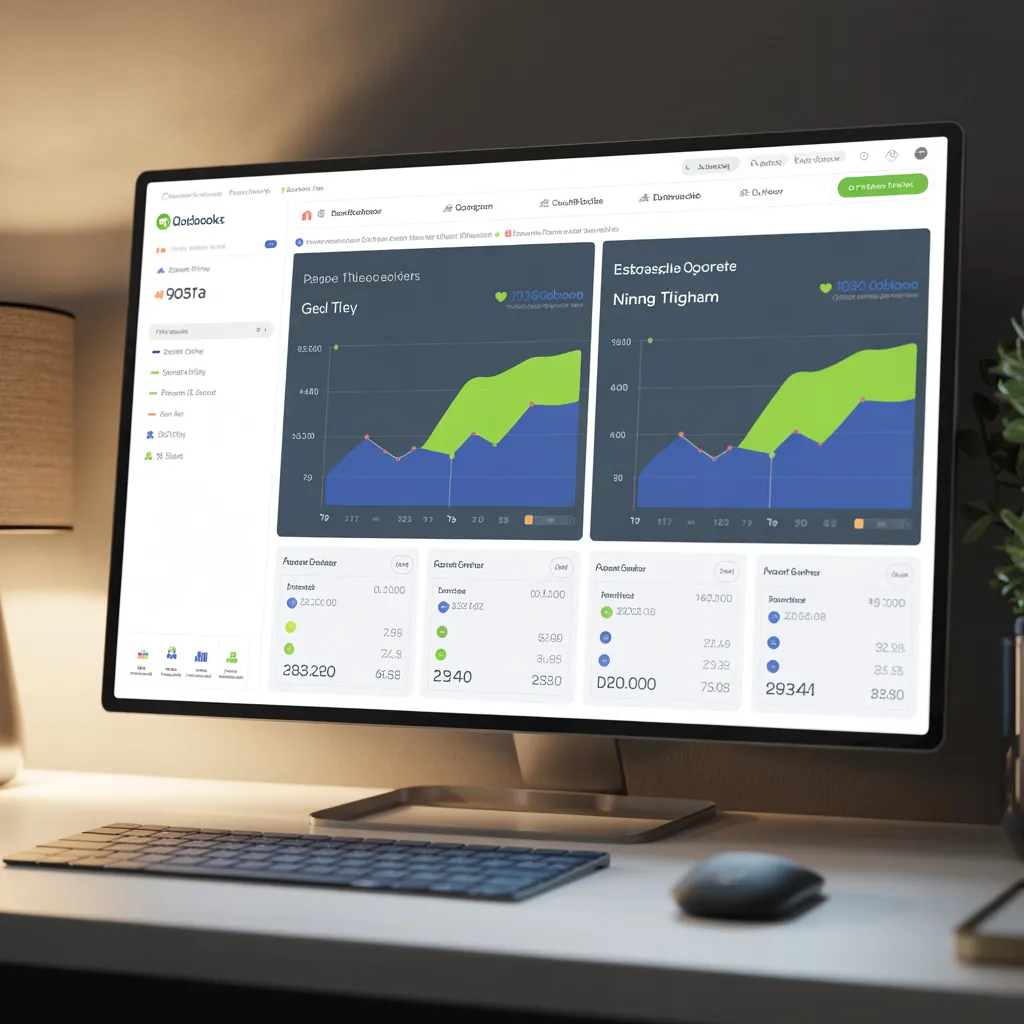
Why Accounting Software Matters for Small Businesses
Accounting Software has become an indispensable tool for small businesses, as it streamlines financial management and enhances operational efficiency. By providing a user-friendly interface, it allows entrepreneurs to handle invoicing, tracking expenses, and managing payroll with ease. The software streamlines labor-intensive tasks, minimizing the risk of errors and allowing business owners to dedicate more time to growth strategies.
Additionally, Accounting Software offers advanced reporting capabilities that provide clarity into financial standing, supporting knowledgeable decision-making. Small business owners can effortlessly analyze cash flow, revenue margins, and additional key indicators, helping them to respond to changing market conditions. Integration options with third-party platforms further enhance its value, allowing seamless data management across platforms. Operating as a cloud-based system, Accounting Software assures that financial data is available from any place at any time, encouraging teamwork across departments. Ultimately, Accounting Software is critical for emerging businesses seeking efficiency and informed financial oversight.
How to Properly Set Up Your Accounting Software Account
Configuring a Accounting Software account accurately is essential for enhancing its advantages. Initially, a user should identify the right version of Accounting Software that matches their business needs, whether it be the Online version or the Desktop version. Once you have chosen the right version, the following step requires creating a new account by entering fundamental details such as the address, business name, and industry type. This data helps Accounting Software tailor its tools to the unique requirements of the business.
Once the account is set up, users should organize their chart of accounts, categorizing income, expenses, assets, and liabilities according to their financial structure. Next, linking bank accounts and credit cards facilitates seamless transaction tracking. To conclude, customizing preferences, such as invoice templates and sales tax, confirms that the account aligns with the business's operational standards. By diligently following these steps, users can create a solid foundation for successful bookkeeping with Accounting Software.
Optimizing Invoicing Through Accounting Software Tools
Invoicing can often be a time-consuming process for businesses, but Accounting Software offers tools to simplify it. By automating invoice generation and customizing templates, users can enhance efficiency and maintain a professional appearance. This approach not only saves time but also helps guarantee consistency in billing practices.
Simplifying Invoice Automation
Optimizing the invoicing process can greatly enhance a company's efficiency and cash flow. Using Accounting Software to automate invoice generation allows businesses to cut down on errors and conserve time. By configuring recurring invoices for regular clients, companies can secure timely billing without human intervention. Accounting Software also enables users to schedule and create invoices, simplifying the payment collection process. The software can effortlessly calculate taxes and discounts, removing the necessity of tedious calculations. Additionally, automated reminders can be delivered to clients, increasing the likelihood of prompt payments. This feature not only decreases administrative burdens but also promotes better cash flow management. Ultimately, automating invoice generation allows business owners to direct attention toward growth rather than mundane tasks.
Customizing Invoice Templates
Customizing invoicing templates in Accounting Software allows businesses to create tailored billing experiences that represent their brand identity. By using Accounting Software' intuitive design tools, users can modify elements such as logos, colors, and fonts to maintain consistency with their overall branding. This tailoring not only enhances the professional appearance of invoices but also fosters trust and recognition among clients. Furthermore, businesses can tailor invoice fields to incorporate specific information pertaining to their services, such as service details or payment conditions. Accounting Software also enables users to store multiple templates for different clients or services, streamlining the invoicing process. Overall, personalized invoice templates in Accounting Software considerably boost the effectiveness and efficiency of billing, resulting in a smoother financial workflow.
Monitoring Your Expenses With Accounting Software Efficiency
Efficient expense tracking in Accounting Software requires structuring expense classifications and making use of receipt capture tools. By classifying expenses with precision, users can gain clearer insights into their financial health. Moreover, utilizing receipt scanning optimizes the procedure, reducing manual input and improving precision.
Arranging Expense Categories
Furthermore, the use of subcategories can enhance tracking precision, giving businesses the ability to oversee particular expenses in greater detail. Regularly reviewing and updating these categories guarantees they remain relevant as the business evolves. By maintaining organized expense categories, small businesses can improve accuracy in financial statements and make informed decisions that support long-term growth and sustainability. Proper categorization eventually results in improved financial well-being and transparency in business operations.
Leveraging Receipt Capture
Streamlining expense tracking becomes greatly easier by leveraging receipt capture in Accounting Software. This feature allows small business owners to effortlessly digitize and organize their receipts, minimizing the risk of lost documents. Individuals can conveniently snap an image of a receipt using the Accounting Software mobile app, which seamlessly captures important details such as the date, vendor name, and total amount. The extracted data is then sorted and matched with existing entries, maintaining correctness and conserving precious time. By utilizing this powerful receipt scanning tool, businesses can establish stronger financial visibility and ease tax management. Furthermore, this functionality enhances compliance with record-keeping requirements, providing peace of mind during audits. Overall, incorporating receipt capture into daily operations markedly boosts efficiency in expense management.
Leveraging Financial Reports for Informed Decision-Making
Harnessing the potential of financial reports can considerably useful information improve decision-making within a business. These financial records, which include profit and loss statements, balance sheets, and cash flow statements, provide critical insights into a organization's financial health. By regularly reviewing these documents, business owners can spot developments, assess profitability, and recognize potential risks.
Financial reports also facilitate informed budgeting and forecasting, permitting the strategic distribution of resources. For instance, a thorough examination of revenue streams can highlight which products or services are not meeting expectations, encouraging focused marketing or operational changes. Moreover, recognizing cash flow trends assists in avoiding cash flow shortfalls, guaranteeing the company can fulfill its financial commitments.
Ultimately, leveraging financial reports empowers small business owners to make data-driven decisions, fostering growth, efficiency, and long-term sustainability. By integrating these insights into their strategic planning, businesses can navigate challenges and capitalize on opportunities more effectively.
The Top 5 Accounting Software Blunders Small Businesses Make
Comprehending financial statements is a fundamental step for small companies aiming to enhance their decision-making. However, many companies encounter pitfalls when working with Accounting Software. One common mistake is failing to reconcile accounts consistently, which can result in discrepancies in financial statements. Additionally, not taking the time to categorize expenses accurately can distort profit margins and give a false impression to business owners about their overall financial condition.
One other frequent error is neglecting the importance of backups. Without regular data backups, businesses face the danger of losing vital financial records. A large number of small enterprises also overlook the importance of utilizing reports; neglecting to utilize these features can obstruct effective planning. Finally, insufficient knowledge of Accounting Software capabilities leads to inefficient workflows, leading to lost productivity and increased error rates. By recognizing and addressing these mistakes, small businesses can optimize their Accounting Software usage, creating a foundation for stronger financial management and long-term success.
Accounting Software Educational Resources for Continuous Support
How can small businesses continuously improve their Accounting Software skills? Taking advantage of diverse learning tools can be essential in boosting bookkeeping efficiency. Accounting Software offers official training modules and certification programs designed to help users master the software. These courses cover essential features and advanced functionalities, catering to different skill levels.
Furthermore, startups can leverage e-learning platforms, such as platforms like Udemy and LinkedIn Learning, which provide expert-led classes and video tutorials. Connecting through interactive community forums, like the Intuit Community, enables users to exchange experiences and solutions, promoting a collaborative learning environment.
Furthermore, regional workshops and virtual seminars frequently offer interactive training, strengthening hands-on knowledge. Signing up for Accounting Software blogs and email newsletters allows businesses to remain current with recent updates and optimal practices. By leveraging these diverse resources, small businesses can guarantee consistent support and progressive improvement in their Accounting Software bookkeeping skills.
Frequently Asked Questions
Am I Able to Use Accounting Software for More Than One Business?
Absolutely, Accounting Software can be used for multiple businesses. You can set up individual company files for each business, allowing them to handle finances, record transactions, and produce reports independently, ensuring organized bookkeeping across various ventures.
How Frequently Should I Reconcile My Accounts in Accounting Software?
Accounting Software accounts should be reconciled on a monthly basis to ensure accuracy. Consistent reconciliation allows for early detection of discrepancies, maintaining financial integrity and offering a comprehensive view of the business's financial standing for informed decision-making.
What Are the E-Commerce Integrations Offered by Accounting Software?
Accounting Software provides a range of integrations for online retail, including platforms like WooCommerce, Shopify, and BigCommerce. Such integrations optimize financial operations, allowing users to sync sales data automatically and efficiently manage inventory inside Accounting Software.
Is Accounting Software Suitable for Non-Profit Organizations?
Accounting Software is truly well-suited for non-profit organizations, delivering capabilities customized for monitoring donations, overseeing grants, and producing financial reports. Its customizable tools help non-profits maintain transparency and guarantee compliance with regulatory requirements effectively.
How Can I Manage Payroll in Accounting Software?
To process payroll in Accounting Software, you need to create employee profiles, enter the required tax details, and execute payroll with the application's dedicated payroll functions. Consistently examine reports to ensure precision and adherence to regulations.